

Everything You Should Know About Securely Packing Sound Equipment
As DJs and audio professionals, we invest a great deal in our sound equipment, and protecting that investment during transport is crucial. Fragile components and expensive gear are constantly at risk, whether we're moving across town for a gig or flying internationally for a major event. Proper packing isn't just about preventing a few cosmetic scratches; it's about safeguarding the very functionality and longevity of our valuable tools. Inadequate protection can quickly lead to costly repairs, lost income, and the potential for complete equipment failure.
This guide is built from experience and best practices to provide everything you should know about securely packing your sound equipment. From DJ turntables and headphones to full-scale PA systems, we'll cover the essential techniques to ensure your gear arrives safely and performs flawlessly every single time. My goal is to help you protect your delicate electronics from the rigors of travel, preserving both their condition and their pristine sound quality, so you can focus on what you do best: creating amazing audio experiences.
The Foundation: Why Secure Packing of Sound Equipment Matters
Moving sound equipment is an inherent part of life for any audio professional. However, the true importance of a methodical and secure packing process is often underestimated until disaster strikes. The way you pack your gear is a direct reflection of how much you value its performance and longevity.
Protecting Your Investment
Professional-grade audio equipment represents a substantial financial investment. A high-end DJ controller, a set of studio monitors, or a complete PA system from a reputable brand like Sinbosen can cost thousands of dollars. Protecting this gear is not just a matter of convenience—it is a critical business practice. The cost of repairing damaged equipment can be significant, with professional shops charging hourly rates from $50 to over $100, not including parts. For high-end or esoteric gear, repair bills can easily climb into the hundreds or even thousands of dollars.
Beyond the immediate repair costs, damaged equipment can lead to canceled gigs, lost revenue, and a tarnished professional reputation. Proper packing, therefore, is an insurance policy against these preventable losses. It ensures that your valuable assets are shielded from physical shocks, environmental hazards, and the general chaos of transport, preserving their functionality and resale value for years to come.
Risks of Improper Transport
Failing to pack your sound equipment correctly exposes it to a wide range of preventable risks. Each bump in the road, change in humidity, or careless baggage handler represents a threat to the delicate components inside your gear.
Damage from Impacts and Vibrations
One of the most pervasive dangers during transport is damage from constant vibration and sudden impacts. These forces can have a catastrophic effect on electronic components. Continuous shaking, even at a low level, can cause internal parts to shift, loosen, or flex. This leads to several critical issues:
- Solder Joint Fatigue: Repetitive stress from vibrations can cause microscopic cracks in solder joints, which are the critical electrical connections on a circuit board. A failed joint can result in an open circuit, leading to intermittent signal loss or complete device failure.
- Poor Electrical Connections: Vibration can cause connectors and sockets to loosen, leading to interruptions in the signal path, audio dropouts, or poor performance.
- Mechanical Wear: Moving parts, such as the cooling fans in amplifiers or the platters in traditional hard drives, can experience accelerated wear and fatigue from constant motion, shortening their lifespan.
A sudden drop or impact can be even more devastating, potentially cracking circuit boards, shattering vacuum tubes, or deforming sensitive components beyond repair.
Environmental Factors: Moisture and Dust
The environment your equipment travels through is just as important as the physical handling it receives. Moisture and dust are silent enemies of electronic gear.
- Moisture and Humidity: High humidity can lead to moisture condensing on and inside your equipment, causing corrosion on electrical contacts and circuit boards. This corrosion increases electrical resistance, which can introduce noise, distortion, and signal degradation. In severe cases, it can cause short circuits and permanent failure.
- Dust and Debris: Dust particles are abrasive and can work their way into faders, knobs, and connectors. This accumulation can cause scratchy or unresponsive controls, poor electrical connections, and muffled sound quality. Dust can also clog ventilation ports and coat internal components, leading to overheating, which severely shortens the lifespan of electronics.
Properly sealed cases are essential to shield your equipment from these environmental threats, maintaining a clean and dry internal environment.
Increased Risks for Air Travel
Air travel introduces a unique and heightened set of risks for audio equipment. When you check your gear, it is out of your control and subjected to rough handling, automated sorting systems, and the unpredictable environment of a cargo hold.
Musical instruments and audio gear must undergo security screening, which can involve physical inspections. While TSA officers are trained to handle these items with care, the process can be stressful for both the owner and the equipment. Furthermore, there's always a risk of items being misplaced or mishandled. For lithium-ion batteries, found in many portable devices, there are strict rules requiring them to be in carry-on luggage due to fire risk, adding another layer of complexity to your packing strategy. Given these factors, investing in high-quality, durable cases specifically designed for flight is not just a recommendation—it's a necessity.
Essential Packing Tools for Every Piece of Sound Equipment
Having the right tools and materials is the first step toward professional-grade packing. Your choices in boxes, cushioning, and organizational supplies will ultimately determine how well your gear withstands the journey. Skimping on materials is a false economy that can lead to expensive damage down the road.
The Right Boxes and Crates
The outer container is your first line of defense. Its job is to provide a rigid structure that resists crushing and impact forces. The two primary options are cardboard boxes and reusable flight cases, each with distinct advantages.
Sturdy Cardboard vs. Reusable Flight Cases
Sturdy Cardboard Boxes: For one-time moves or shipping, high-quality, double-walled cardboard boxes can be an effective solution, especially for smaller or less fragile items. If you still have the original manufacturer's box and foam inserts, this is often the best choice, as it was specifically designed for that piece of equipment. However, for anything heavy like a power amplifier, standard boxes are often insufficient.
Reusable Flight Cases: For professionals who travel frequently, reusable flight cases are the gold standard. These cases are built to withstand the rigors of touring and repeated transport, offering superior protection against impacts, drops, and rough handling. They are typically constructed from laminated plywood with aluminum-reinforced edges and steel corners. While the initial investment is higher, a single flight case can last for years and can be used hundreds of times, making it a cost-effective choice for touring musicians, mobile DJs, and production companies.
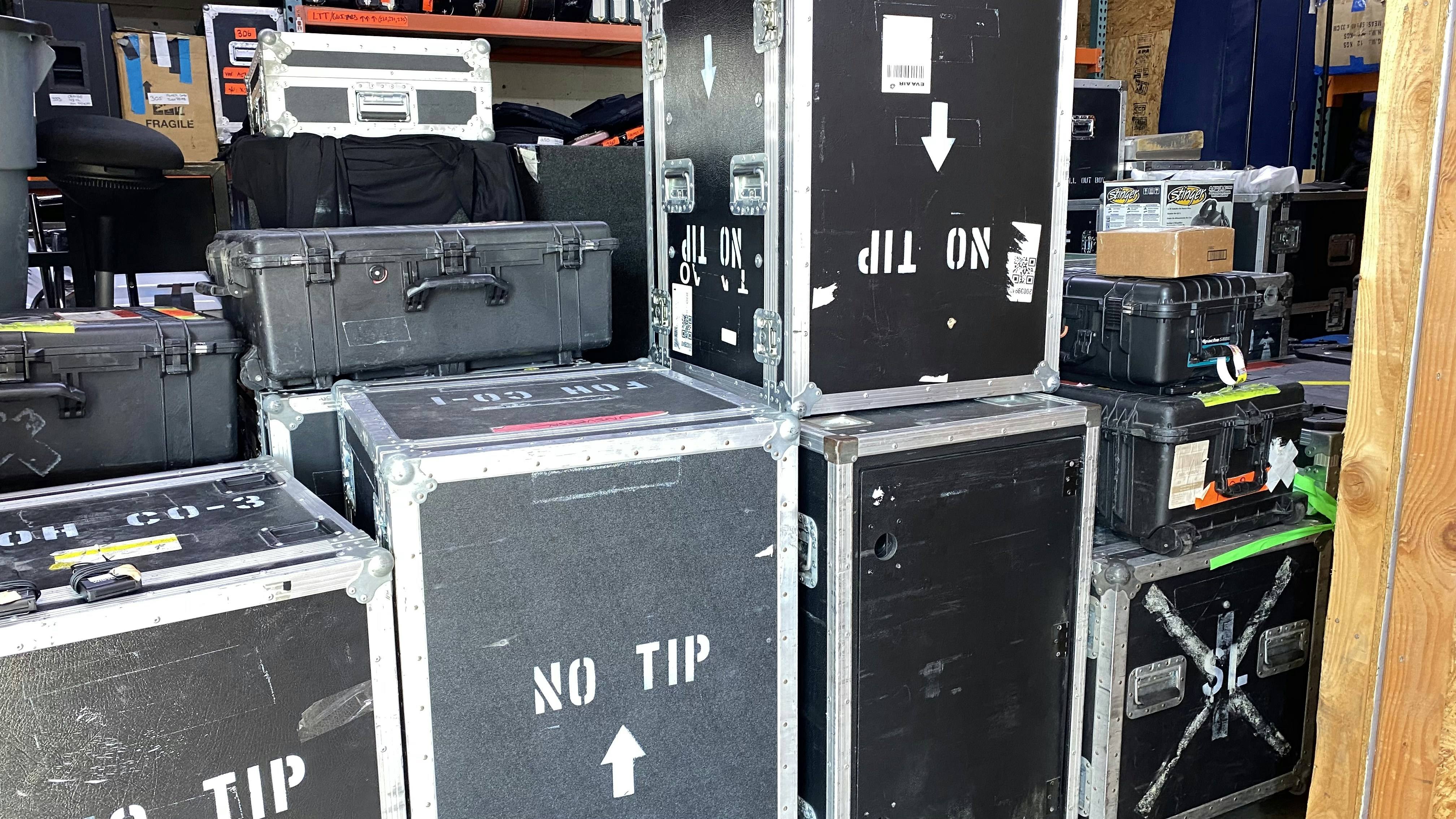
Customization for Optimal Fit and Protection
Whether you choose a cardboard box or a flight case, the goal is to create a snug and secure environment for your gear. Customization is key to achieving this.
Custom foam inserts, precision-cut to match the exact shape of your equipment, are an invaluable tool. They provide superior shock absorption and ensure there is zero movement within the case, which prevents damage from shifting and rattling during transit. High-quality closed-cell foams like polyethylene (PE) are ideal because they are rigid, shock-resistant, waterproof, and do not degrade over time, unlike cheaper open-cell foams that can absorb moisture or flake apart. For heavy-duty protection, cross-linked polyethylene (XLPE) offers even greater durability and temperature resistance. This tailored approach not only maximizes protection but also provides a professional appearance and helps with organization.
Cushioning and Protective Materials
The materials used inside the box are just as critical as the box itself. Their purpose is to absorb shock, fill empty space, and protect surfaces from scratches and environmental factors.
Bubble Wrap, Foam, and Packing Peanuts
A variety of cushioning materials are available, each suited for different applications:
- Bubble Wrap: An excellent choice for wrapping individual components to provide a primary layer of padding and surface protection. Anti-static bubble wrap is also available, which is essential for sensitive electronics.
- Foam: Materials like polyurethane (PU) and polyethylene (PE) foam sheets or planks are great for lining boxes and creating structural support. PU foam is soft and flexible, ideal for cushioning fragile items, while PE foam is more rigid and better suited for blocking and bracing heavier equipment.
- Packing Peanuts: While useful for filling voids, packing peanuts are not recommended for heavy items. The weight of a heavy amplifier or speaker can cause the peanuts to compress or shift, allowing the item to settle against the side of the box and lose its protective cushion. They are best used as a filler in a double-boxing scenario.
For heavy gear like amplifiers, standard bubble wrap may pop under the item's own weight, making it ineffective. In these cases, more robust solutions like rigid foam pool noodles wrapped tightly with plastic wrap or custom-cut Styrofoam sheets are better options to create a protective cradle.
Anti-Static Protection for Electronics
Electrostatic discharge (ESD) is a silent killer of electronic components. It's a sudden flow of electricity that can damage or destroy sensitive circuits, rendering your gear useless. Standard plastic packing materials, like regular bubble wrap or plastic bags, can generate static electricity through friction (known as the triboelectric effect).
To combat this, always use anti-static bags for any unpacked electronic components, such as circuit boards, hard drives, or audio interfaces. These bags are designed to dissipate static charges and shield the contents from ESD. There are two main types:
- Dissipative Anti-Static Bags: Often pink in color, these bags prevent the buildup of a static charge on their surface but do not protect from a direct discharge. They are suitable for less sensitive items within an ESD-controlled area.
- Static-Shielding Bags: Typically metallic or silver, these bags create a Faraday cage effect, completely blocking external static charges and protecting the contents even outside a controlled environment. These are the best choice for shipping or transporting highly sensitive electronics.
Securing and Organizing
The final step in packing involves making sure everything is held together tightly and is clearly identifiable. Proper taping, tying, and labeling are crucial for a smooth and organized process.
Tapes, Ties, and Labels
- Tapes: Never use duct tape or masking tape to seal moving boxes; they lack the adhesive strength for cardboard. Instead, use a quality packing tape that is at least 2-3 inches wide. For heavy boxes, consider using reinforced filament tape (strapping tape), which contains fiberglass strands for extra tensile strength. The "H-tape" method—sealing down the center seam and along both edge seams—is a best practice for ensuring a strong seal.
- Ties: Use zip ties or releasable cable ties to neatly bundle all cords and cables. This prevents tangling, which can lead to stress and breakage at the connectors. Pack all cables for a specific piece of equipment in a labeled bag.
- Labels: A clear labeling system is essential. Label boxes on the top and at least two sides with key information: the destination room, a brief description of the contents, and a box number for inventory purposes. Use large, bold lettering and consider a color-coding system with colored tape for quick identification. For fragile items, use prominent "FRAGILE" or "HANDLE WITH CARE" labels.
The Importance of No Empty Space
Leaving empty space inside a packed box is one of the most common and damaging mistakes. Any void allows items to shift, slide, and bounce around during transit, which dramatically increases the risk of damage. Studies have shown that the average shipping box contains 40-60% empty space, which not only increases damage risk but also shipping costs.
Always fill any gaps with appropriate cushioning material like crumpled paper, foam, or air pillows to ensure the contents are held firmly in place. When you are finished packing and have sealed the box, give it a gentle shake. If you can feel or hear any movement inside, open the box and add more padding until the contents are completely immobilized. This simple test is one of the most effective ways to ensure your gear will arrive safely.
Securely Packing Specific DJ and PA System Components
Different pieces of audio equipment have unique vulnerabilities. A one-size-fits-all approach to packing won't suffice; you need to tailor your methods to the specific size, shape, and fragility of each component. Here's how to tackle the most common items in a DJ or PA setup.
DJ Speakers and PA System Speakers
Speakers are often the largest, heaviest, and most fragile part of any sound system. Their delicate cones and internal electronics are highly susceptible to damage from impacts and improper handling.
 A large PA speaker being carefully wrapped in protective material for transport.
Understanding Fragility and Positioning
Due to their weight and sensitive components, speakers require careful positioning during transport. Whenever possible, they should be stored and transported in an upright position. If that's not feasible, placing them face-up is the next best option. Never transport speakers face-down, as this puts immense pressure on the grille and the speaker cone, risking dents, scratches, and functional damage. For heavy floor-standing speakers, it's wise to use thick polystyrene foam insulation sheets (1.5 to 2.25 inches thick) to create a protective shell around the entire unit, secured with plastic wrap or tape.
Protecting Cones and Grills
The speaker cone (driver) is the heart of the speaker and is incredibly delicate. The grille is designed to protect it, but it can also be easily dented, which can then damage the cone behind it.
To provide extra protection, you can place a piece of rigid cardboard or a thin sheet of plywood over the grille before wrapping the speaker. This helps distribute any impact force and prevents objects from puncturing the grille. After securing the front, wrap the entire speaker cabinet in multiple layers of moving blankets or bubble wrap, paying special attention to the corners. Custom-built crates or dedicated speaker flight cases offer the highest level of protection, especially for frequent transport or shipping.
DJ Headphones
Don't let their small size fool you; headphones are precision instruments that can be easily damaged. The headbands can snap, earcups can crack, and internal wiring can fail from improper handling.
Small Size, Big Risk: Dedicated Cases
Tossing your headphones into a backpack full of other gear is a recipe for disaster. The best way to protect them is with a dedicated hard-shell or semi-rigid case. These cases are molded to the shape of the headphones, preventing them from being crushed or bent. Many cases also have compartments for cables and accessories. If traveling by plane, always pack headphones in your carry-on luggage.
Cable Management for Headphones
Headphone cables are a common point of failure. Constantly wrapping them tightly around the headphones or a device puts stress on the connection points, which can lead to shorts and signal loss.
Follow these best practices for cable care:
- Disconnect When Possible: If your headphones have a detachable cable, always disconnect it before storing.
- Coil Loosely: Use the "roadie wrap" or "over-under" method to coil the cable, which prevents kinking and respects the cable's natural curve. Secure the coil with a Velcro tie.
- Use a Case: Store the coiled cable separately in a small bag or a dedicated compartment within the headphone case to avoid tangles and stress.
DJ Turntables
Turntables are arguably the most delicate pieces of DJ equipment, containing a complex assembly of moving parts that must be meticulously secured for transport.
 A turntable platter being carefully lifted and separated for packing.
Securing Delicate Parts: Belts, Platters, Needles, and Tonearms
Before packing a turntable, you must disassemble and secure its most vulnerable parts to prevent them from moving, bending, or breaking.
- Platter: The heavy platter must be removed from the spindle. If left in place, its weight and momentum can cause catastrophic damage during transit, potentially shearing the spindle or destroying the bearings. Wrap the platter separately in bubble wrap and pack it securely underneath or alongside the turntable's body.
- Tonearm: The tonearm is extremely fragile. Secure it to its rest using the built-in clip and add a zip tie or twist tie for extra security so it cannot bounce loose.
- Counterweight and Headshell/Stylus: Remove the counterweight and the headshell (which contains the cartridge and needle). The stylus (needle) is one of the most fragile and expensive components. If it has a protective cover, use it. Wrap these small parts individually in bubble wrap and place them in a small, clearly labeled box or bag so they don't get lost.
The Need for Custom Compartments
Due to the number of individual, fragile components, a flight case with custom-cut foam compartments is the ideal solution for transporting a turntable. These cases provide a designated, secure spot for the turntable body, platter, headshell, counterweight, and any cables. This prevents the parts from colliding with each other and ensures everything arrives safely and in an organized fashion. If using a cardboard box, the double-boxing method is highly recommended, with each disassembled part wrapped securely and immobilized within the inner box.
Lighting and Cables
A DJ or PA setup isn't complete without lighting and a sea of cables. While more robust than other electronics, these items still require proper packing to prevent damage and ensure an efficient setup and breakdown process.
Preventing Tangling and Breakage
For lighting fixtures, especially intelligent lights with moving parts, custom cases or the original packaging with foam inserts are best. If using generic cases, use foam dividers or packing blankets to keep fixtures from banging against each other.
Cables, if not managed properly, can become a tangled nightmare that is not only frustrating but also damaging. Tightly wrapping cables around your elbow or tying them in knots can cause internal wire breakage and shorts. The "over-under" coiling method is the industry standard for preserving a cable's lifespan.
Organizing and Labeling for Efficiency
Once coiled, secure each cable with a Velcro strap or cable tie. To make setup faster, it's a great practice to label both ends of every cable, indicating what it connects to. Using different colored tape for different types of cables (e.g., green for audio, red for power) can also be a huge time-saver. Store cables in dedicated bags, bins, or rolling cases with dividers to keep them organized and accessible.
Mixers, Amplifiers, and Other Electronics
Rack-mounted gear like amplifiers, processors, and some mixers are relatively sturdy but are also often very heavy. Desktop mixers and controllers have exposed faders, knobs, and screens that are extremely vulnerable.
Double-Boxing for Added Protection
For heavy items like power amplifiers or for highly sensitive electronics like mixers, the double-boxing method provides superior protection.
- Wrap the item securely in anti-static bubble wrap.
- Place it in a sturdy, snug-fitting inner box, filling any voids.
- Place the inner box inside a larger, heavy-duty outer box that provides at least 3-4 inches of clearance on all sides.
- Fill the space between the two boxes with a firm cushioning material like foam pads, tightly packed paper, or expanding foam packs. This creates a shock-absorbing buffer zone that protects the contents from even severe impacts.
Protecting Against Temperature and Humidity
Electronics are sensitive to extreme temperatures and moisture, both of which can be encountered during shipping.
- Moisture: To protect against humidity and potential water exposure, place the electronics inside a sealed plastic bag before boxing them. For long-distance shipping, especially by sea, using a vapor barrier bag with desiccant packs is recommended to absorb any moisture.
- Temperature: Extreme heat can degrade components like lithium-ion batteries, while cold can make plastics brittle and cause condensation when the item is brought back to room temperature. Using insulated packaging or avoiding leaving packed gear in vehicles in extreme weather can help mitigate these risks. Waterproof and dustproof cases offer excellent protection against these environmental factors.
Best Practices for Transporting Your Packed Sound Equipment
Once your gear is meticulously packed, the final challenge is getting it from point A to point B without incident. The strategies you use for loading, unloading, and the mode of transport itself are the final links in the chain of protection. Applying best practices at this stage ensures that all your diligent packing efforts pay off.
Loading and Unloading Strategies
How you physically move and place your equipment in a vehicle is critically important. A poorly loaded truck can negate even the best packing job, as items can shift, topple, and crush one another during transit.
Proper Placement in Vehicles
Efficient and safe loading is a strategic process. The goal is to create a stable, tightly packed cargo area that minimizes movement.
- Build a Foundation: Begin by loading the heaviest and sturdiest items first, such as large speaker cabinets in flight cases, to create a solid base. Place these items against the front wall of the truck (closest to the cab) to ensure better balance and prevent shifting.
- Create Tiers: Think like you're building a brick wall. Stack boxes in interlocking tiers, avoiding straight vertical columns that can easily tip over. By overlapping boxes from one layer to the next, you create a more stable structure.
- Weight Distribution: Always place heavier objects at the bottom of any stack. A top-heavy pile is far more likely to fall during transport, potentially crushing lighter, more delicate items below. Keep lighter boxes at chest level or higher to make the unloading process safer and easier.
- Utilize Straps and Nets: Use ratchet straps or cargo nets to secure the load. This is especially important to prevent items from sliding or falling if you have to brake suddenly. Professional movers often equip their trucks with E-track systems and logistic straps to create secure partitions and tie-downs.
- Fill the Gaps: Just as you fill empty space inside a box, do the same inside the vehicle. Use soft items like bags of cables, moving blankets, or empty cases to fill any voids and create a tight, unmovable block of gear.
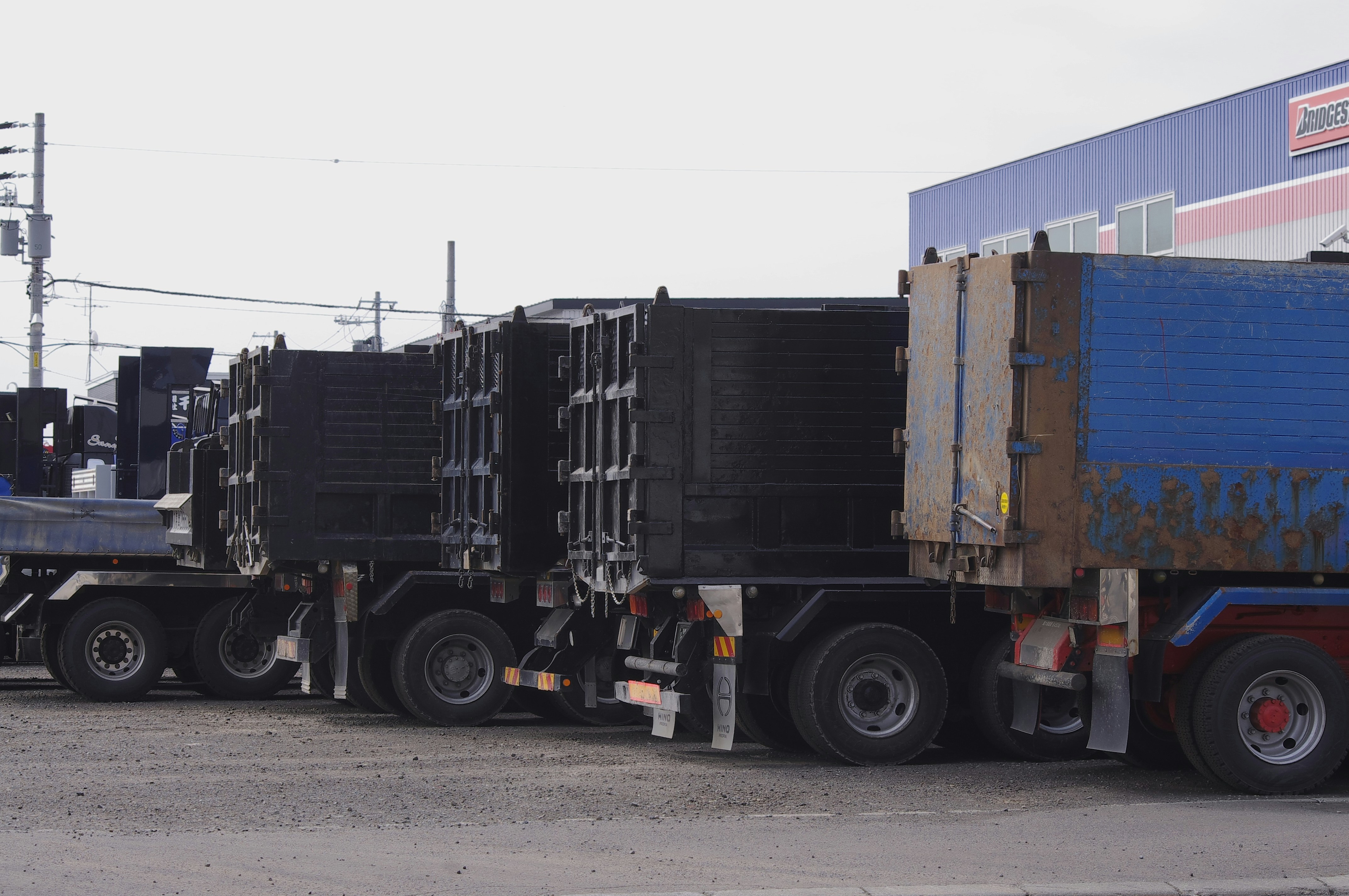
Avoiding Stacking and Overloading
While stacking is a necessary part of loading a truck, it must be done with care. Never stack heavy cases on top of lighter cardboard boxes or unprotected equipment.
- Component Stacking: You should generally avoid stacking electronic components directly on top of each other, even outside of a box. The feet of one unit can scratch the casing of the unit below it, and more importantly, stacking blocks ventilation slots, leading to overheating. Most significantly, power supplies in amplifiers and other gear radiate strong electrical fields and vibrations that can interfere with the delicate signals in preamps, mixers, and source components stacked nearby.
- Lifting Safely: Sound equipment, particularly amplifiers and large speakers, can be awkward and extremely heavy. Always use proper lifting techniques to avoid personal injury. Get as close to the object as possible, bend at your knees (not your back), keep your spine straight, and lift with your legs. For items over 50-60 lbs, it's always best to have a second person help. A dolly or hand truck is an invaluable tool for moving heavy cases and stacks of gear, saving your back from unnecessary strain.
Considering Professional Transport Services
For large-scale moves, long-distance transport, or extremely high-value systems, doing it yourself isn't always the best or most cost-effective option. Professional transport services offer expertise, proper equipment, and insurance that can provide invaluable peace of mind.
- Professional Movers: Full-service moving companies have the experience, specialized equipment (like heavy-duty dollies, lift gates, and ramps), and packing materials to handle sensitive electronics safely. While it comes at a cost, hiring professionals can save you time and reduce the risk of costly damage due to inexperience. If you choose this route, be sure to pack your electronics as if you were shipping them yourself and have a detailed discussion with the movers about the fragile nature of the items.
- Freight Services: For shipping a large amount of gear, LTL (Less-Than-Truckload) freight services are often the only way to go. This involves packing your equipment into crates and securing them to a pallet. For international or bulk shipments, ocean freight is significantly cheaper than air freight for heavy audio equipment. However, be aware that standard freight can be a rough ride, and your pallet may be unloaded and reloaded multiple times, increasing the risk of damage from things like forklift forks. For high-value tours or shipments, it is highly recommended to use a freight forwarder that specializes in entertainment cargo, as they understand the unique demands of transporting sensitive gear.
- Shipping Insurance: Whether using parcel services or freight, standard carrier liability offers very limited coverage and is often not true insurance. To fully protect your investment, you need to purchase dedicated shipping insurance. This can be done through a third-party provider or a specialized musical instrument insurance company. "All-Risk" policies offer the broadest form of protection, covering physical loss or damage from any external cause unless specifically excluded. For high-value collections, an inland marine policy from a specialist like Heritage Insurance can cover your gear both at home and during transit.
Conclusion
Ultimately, the care and effort you put into securely packing your sound equipment directly translate to its longevity, reliability, and your own peace of mind. Transporting gear is an unavoidable part of the job, but damage is not. By understanding the risks and implementing the strategies outlined in this guide—from choosing the right flight cases and anti-static materials to adopting smart loading techniques—you can dramatically reduce the threat of transport-related disasters.
I hope this comprehensive outline has provided you with everything you should know about securely packing your audio equipment. A little preparation truly goes a long way. Taking the time to acquire quality packing materials and methodically protect each component is a crucial investment in your craft. It saves you from the future headaches of costly repairs and lost gigs, ensuring that your valuable tools from brands like Sinbosen are always in top condition and ready to create incredible sound, no matter where your passion or profession takes you. Now go out there, make some noise, and be confident that your gear will arrive as pristine as when you packed it.